

Proper Roof & Attic Ventilation is Essential
In the summer, attic ventilation can help prevent heat buildup, which will help make your living areas cooler and more comfortable, help reduce air conditioning costs and help prevent premature roof shingle deterioration. The major shingle manufacturers require attic ventilation to validate the shingle warranty.
In the winter, attic ventilation can help prevent moisture buildup, which will help prevent wood rot, mold, mildew, and poor indoor air quality.
And because it helps keep the roof deck uniformly cool in the winter, attic ventilation (along with proper attic insulation) can help prevent the uneven freeze/thaw cycle associated with snow on your roof that often leads to ice dams. Ice dams can back water under shingles causing roof deck and interior surface damage.
Source: Moisture Control in Buildings, Heinz R. Trechsel
Your Attic Needs Equal Intake and Exhaust Ventilation
Research has shown that the best way to ventilate an attic is with a balanced system of intake vents low at the roof’s edge or in the soffit/eaves along with exhaust vents high on the roof at or near the ridge. This allows cool, dry intake air at the roof’s edge to flush out any warm, moist air through the exhaust vents.
Be sure your attic has enough intake vents. They are crucial to the attic ventilation system and are often overlooked. Your roofing contractor can help you select intake vents to balance the system including Air Vent’s Edge™ Vent (an edge-of-roof installed, shingleover intake vent), continuous soffit vents, rectangular undereave vents or vented drip edge products. When using vented soffit panels made by siding manufacturers confirm the amount of airflow they allow and be sure the installer has actually cut the holes in the soffit.
Install a Ridge Vent
A ridge vent, which is installed at the peak of your roof, is the best way to provide exhaust ventilation for your attic provided there is sufficient horizontal ridge length. It doesn’t have any moving parts to break. It doesn’t use any electricity to operate. And because it’s installed along the entire peak of your roof, it ventilates the entire underside of the roof deck – as long as there is sufficient intake ventilation low at the roof’s edge or in the soffit/eaves. No other exhaust vent can ventilate the entire roof deck. Select a ridge vent that has an external wind baffle and an internal weather filter. The external wind baffle uses the wind to enhance the vent’s airflow performance by literally pulling air out of the attic similar to the way a wing on an airplane helps lift the plane off the ground. The external baffle also deflects weather elements away from the attic. The internal weather filter provides an extra layer of weather protection against wind-driven rain, snow, debris and insects. Unlike a furnace filter it is not treated with oil so it does not collect dust and will not clog under normal conditions. Air Vent makes several styles of ridge vents that feature the external wind baffle and internal weather filter.
Ridge Vents are the Most Efficient Exhaust Vents for Your Attic
A ridge vent, which is installed at the peak of your roof, is the best way to provide exhaust ventilation for your attic provided there is sufficient horizontal ridge length. It doesn’t have any moving parts to break. It doesn’t use any electricity to operate. And because it’s installed along the entire peak of your roof, it ventilates the entire underside of the roof deck – as long as there is sufficient intake ventilation low at the roof’s edge or in the soffit/eaves. No other exhaust vent can ventilate the entire roof deck.
Select a ridge vent that has an external wind baffle and an internal weather filter. The external wind baffle uses the wind to enhance the vent’s airflow performance by literally pulling air out of the attic similar to the way a wing on an airplane helps lift the plane off the ground. The external baffle also deflects weather elements away from the attic. The internal weather filter provides an extra layer of weather protection against wind-driven rain, snow, debris and insects. Unlike a furnace filter it is not treated with oil so it does not collect dust and will not clog under normal conditions. Air Vent makes several styles of ridge vents that feature the external wind baffle and internal weather filter.
VENT TYPES & VARIETIES
Roof vents come in many designs to fit a variety of roof styles and shapes, including:
Intake Vents
Vents that are designed to allow air to flow in. The most common types of intake vents are:
- Continuous Soffit Vents
- Individual Soffit Vents
- Drip Edge Vents
Exhaust Vents
The roof vents designed to allow air to exit the attic. The main types of exhaust vents are:

- Ridge Vents
- Static Vents
- Gable-End Vents
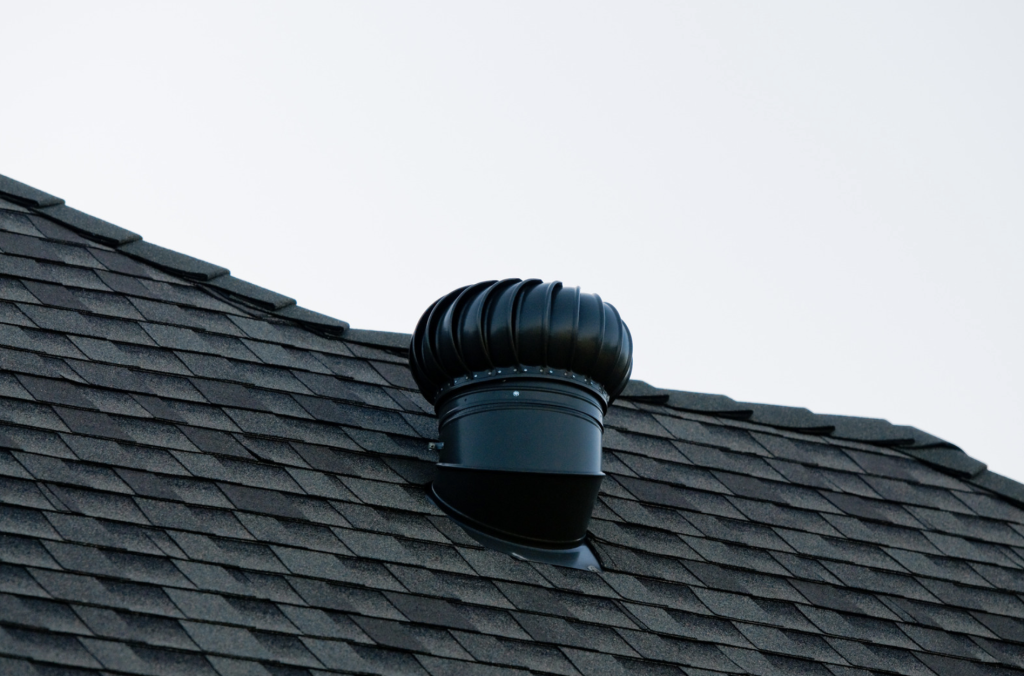
- Turbine Vents
- Power Vents: Vents equipped with an electric-powered fan to increase exterior air flow.
- Solar Vents: A with powered vents, solar roof vents are equipped with a fan. However, the fan is powered by solar panels, so it doesn’t increase energy bills.
Mixing Two Different Exhaust Vents on Your House is a Mistake
One of the most common attic ventilation mistakes is using two different types of exhaust vents on your house. For example, mixing a ridge vent with a powered fan, roof louver, gable louver, or wind turbine can cause issues. This mistake is called “short-circuiting” the attic ventilation system.
Here’s what happens during short-circuiting: Air takes the path of least resistance and looks for the nearest opening. The ridge vent at your roof’s peak might pull intake air from a powered fan or nearby exhaust vent. This happens instead of drawing air from the intake vents at the roof’s edge or soffits. Exhaust vents are not designed to act as intake vents unless specially made for that purpose.
If air enters an exhaust vent, rain, snow, dirt, or debris can also enter your attic. Additionally, the lower part of your attic becomes poorly ventilated. To avoid this, never mix different types of exhaust vents in a shared attic space. Always use one consistent system for proper ventilation.
Your Roofline Will Look Best if Ridge Vents Are Installed End-to-End
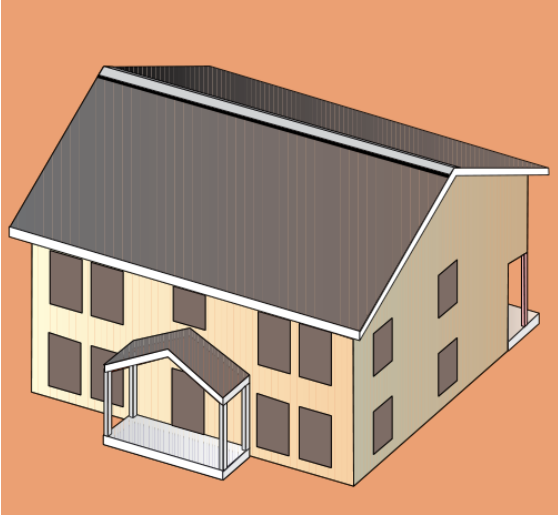
End-to-End Ridge Vent
Shingle-over ridge vents can blend in very nicely with your roofline, especially when matching ridge cap shingles are installed on top of the vent. However, a ridge vent that stops short of the end of the roof creates a less attractive, uneven roofline and reduces curbside appeal in your neighborhood. Maintain the distinctive beauty of your roof by running the ridge vents to the very end of the roof.
Roof vents are designed to reduce heat build up during the hot summer months by allowing cool air to pass through attics. In winter, roof vents regulate indoor temperature by helping them retain heat. Just as importantly, roof vents prevent excess moisture build-up year round.
What are the basics types of roof vent?
For more questions on your roof and roof venting, Contact Us!
