

If you are thinking about replacing your windows, you should know all of the options you have. There are a lot of them! There are a ton of windows that serve their own purpose and have their own pros and cons.
Single Hung Windows
Single Hung windows are extremely common. The bottom of the window moved up and down, while the top part of the window cannot be open. There is only one option for opening the window, hence single hung.

Double Hung Windows
You can open double hung windows by the top or bottom of the window. Two options for opening equals a double hung window. This window comes in a variety of color and styles, but they can have issues with insulation if the weatherstripping gets old or tattered.

Casement/Hinged Windows
Casement windows have a hinge, which allows them to swing open. These windows are excellent insulators because they are large panes with fewer places for air to escape.

Awning Windows
Awning windows are hinged at the top and swing open. They are a popular option because they can be open rain or shine.
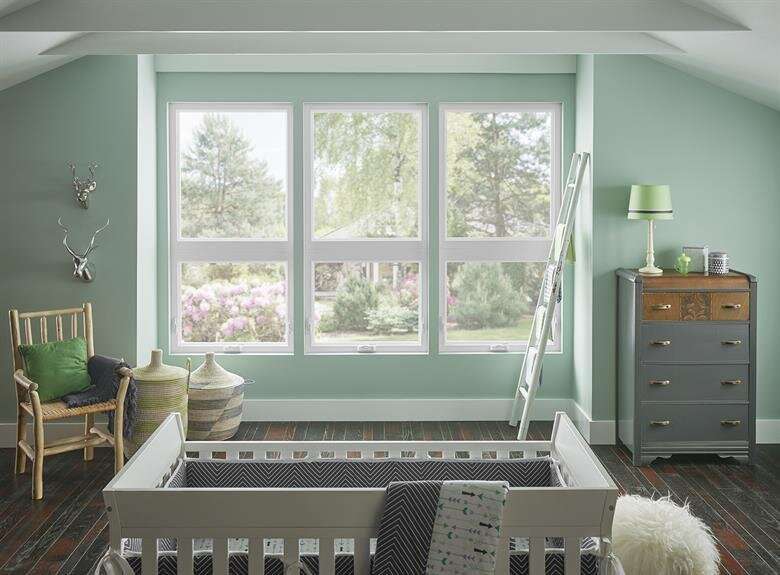
Picture Windows
Do you have a view so pretty it could be a picture? A picture window is a large pane perfect for looking over your lovely backyard. These windows won’t open.

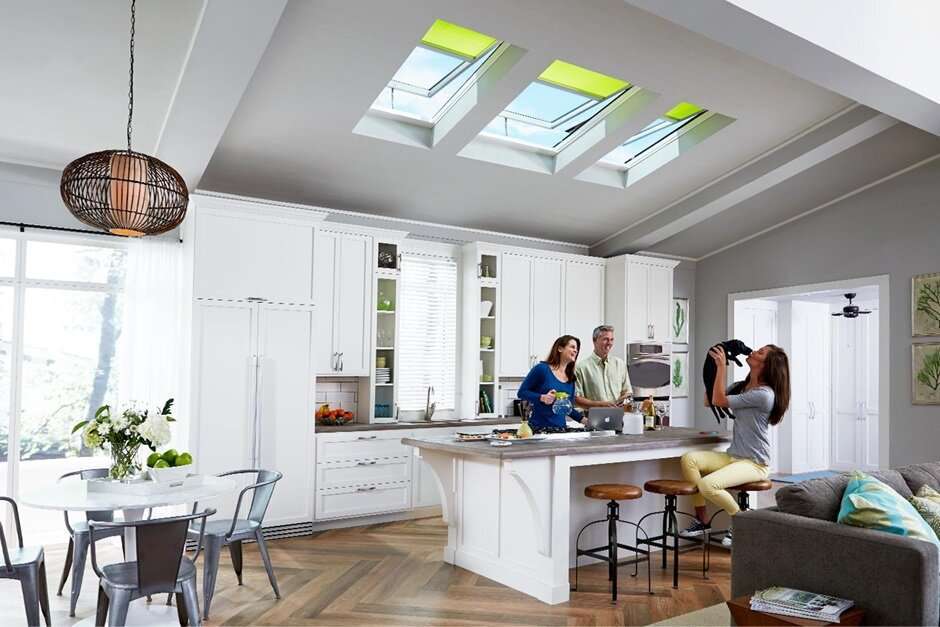
Skylight Windows
Skylight windows are wonderful for natural light. Skylights are windows that are installed on your roof. These windows are a bit more expensive because of the complexity of their installation. A poorly installed skylight can ruin the integrity of your home.
Arched Windows
Arched windows are lovely for designs. They can stand alone, or be placed on top of other windows for a stunning look. Most arched windows cannot be opened.

Slider Window
These windows work like a sliding glass door, they are extremely easy to open. Slider windows are also easy to maintain and a cost effective option. Great for light and ventilation, but you can only open half of the window.

Bay Windows
Bay and windows can add great charm to a home. These windows project out of the home’s exterior and create a little extra space/shelf inside your home. Bay windows can be created with double hung or casement windows.

At Greenawalt Roofing, we can review all the options and styles to help you make the best choice for your home. We recommend and install MI windows and doors which are manufactured in the United States and backed by a Limited Lifetime Customer Assurance Warranty.
If you have any other questions about windows, or you are ready to replace your old ones, contact Greenawalt Roofing Company today at 717-898-6000!
What Central Pennsylvania property owners should consider
Guide to Window Types is best understood in the context of the whole property, not from one symptom alone. The age of the materials, previous repairs, water-management details, installation methods, and nearby exterior components can all affect what is visible. Central Pennsylvania’s mix of heavy rain, wind, summer heat, falling leaves, freeze-thaw cycles, and winter weather can also make the same concern look different from one home or building to another.
Start with observations that can be made safely. Avoid climbing onto the roof or disturbing damaged materials. Instead, note when the concern appeared, whether it changes during particular weather, and whether it is isolated or occurring in several areas. Photographs taken from a safe location and notes about prior work can help a professional understand the history without relying on memory alone.
Details worth documenting
- interior and exterior access needed for a complete evaluation
- drafts, condensation, staining, or changes around the opening
- the age and condition of nearby roofing, siding, trim, and flashing
- how the room is used and what comfort or daylight goal matters most
- visible deterioration that may extend beyond the unit itself
These details do not replace an on-site evaluation, but they make the conversation more useful. They also help separate a maintenance item from a repair need or a larger project. A clear evaluation should explain the observed condition, the likely scope, the surrounding components that were checked, and any assumptions that could affect the recommendation.
Questions to ask before authorizing work
- What interior and exterior finishes are included?
- Will the work affect roofing, siding, trim, or insulation?
- What maintenance will the selected product require?
- How will the opening be protected during installation?
- Is the issue with the unit, the installation, or surrounding materials?
- How will flashing and water management be handled?
Ask for the proposed work in writing and compare scopes rather than price alone. Materials, labor, disposal, cleanup, ventilation, flashing, permits, warranties, and possible concealed conditions should be easy to identify. If alternatives are available, the practical differences should be explained in plain language so the decision reflects the property’s needs and the owner’s priorities.
Greenawalt Roofing serves homeowners across Central Pennsylvania. Learn about residential exterior services, review what happens during a Full Exterior Exam, browse the company’s service areas, or request a free estimate.
