

A leaky roof can be a costly problem. In addition to the expensive roof repairs needed, mold and mildew that thrive in moist environments can lead to serious health issues for you and your family. The best way to avoid these costs is to take a few simple steps to prevent leaks from occurring in the first place.
5 Ways to Avoid a Leaky Roof
1. Replace Missing & Damaged Shingles
A few missing or damaged roof shingles may not seem significant, but water needs only a single opening to cause lasting damage to your home. When you notice an issue with your shingles, replace them immediately. As a simple and inexpensive roof repair, it will save you money and headaches in the long term.
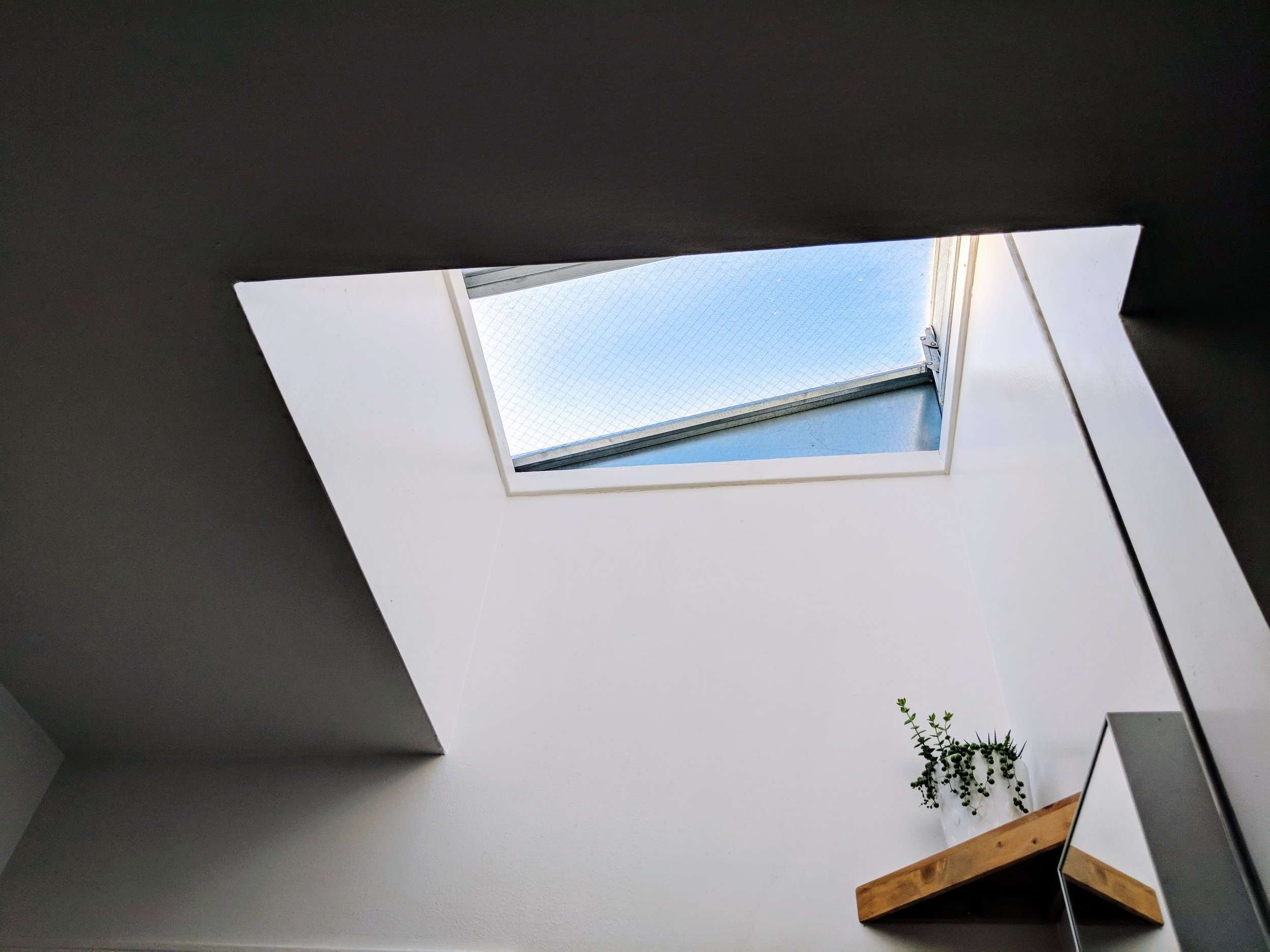
2. Regularly Inspect Around Chimneys, Vents, & Skylights
It can sometimes be difficult to pinpoint the source of a leak, but the most likely areas are openings created around chimneys, vents, and skylights. Make sure the flashing and any caulking around the openings are in good shape. For plumbing vents, inspect the condition of the pipe and replace it if it’s worn.
3. Install Proper Insulation & Ventilation in Your Attic
Leaks don’t always come from the roof; plumbing, condensation, and ventilation problems in your attic can also cause water issues. Check that your attic is properly insulated and that ventilation is adequate to keep the air moving. Without proper ventilation, moisture can build up, resulting in leaks and mold.
4. Ensure Gutters Slope Properly
Gutters should be cleared regularly to prevent the accumulation of leaves, branches, and other debris that can cause water to pool up. Gutters must also be installed at the correct slope so that they drain away from your home’s walls and foundation.

5. Trim Tree Limbs & Branches
If tree limbs are allowed to grow too close to your roof, you risk damage when the next big storm or heavy winds come through. You can avoid leaks and the need for roof repairs by having your trees trimmed every year or removing trees that are too close to your home.
At Greenawalt Roofing, we’ll provide a free assessment and give you an honest feedback on your roof’s condition. We’ll even tell you if your roof is still able to provide adequate protection for a few more years. We can help you make an informed decision.

What Central Pennsylvania property owners should consider
Tips for Preventing Roof Leaks is best understood in the context of the whole property, not from one symptom alone. The age of the materials, previous repairs, water-management details, installation methods, and nearby exterior components can all affect what is visible. Central Pennsylvania’s mix of heavy rain, wind, summer heat, falling leaves, freeze-thaw cycles, and winter weather can also make the same concern look different from one home or building to another.
Start with observations that can be made safely. Avoid climbing onto the roof or disturbing damaged materials. Instead, note when the concern appeared, whether it changes during particular weather, and whether it is isolated or occurring in several areas. Photographs taken from a safe location and notes about prior work can help a professional understand the history without relying on memory alone.
Details worth documenting
- debris buildup near valleys, corners, and underground drain connections
- changes that appear only during heavier rain
- the condition of fascia, soffit, and nearby roof edges
- where water leaves the downspout and whether it moves away from the foundation
- visible sagging, loose fasteners, staining, or overflow marks
These details do not replace an on-site evaluation, but they make the conversation more useful. They also help separate a maintenance item from a repair need or a larger project. A clear evaluation should explain the observed condition, the likely scope, the surrounding components that were checked, and any assumptions that could affect the recommendation.
Questions to ask before authorizing work
- Could water be affecting fascia, siding, landscaping, or the foundation?
- What maintenance will the proposed system still require?
- How will the new work connect to existing roof and exterior components?
- Which section is causing the drainage problem?
- Is cleaning, repair, re-pitching, or replacement the appropriate scope?
- Are the downspouts sized and routed for the roof area?
Ask for the proposed work in writing and compare scopes rather than price alone. Materials, labor, disposal, cleanup, ventilation, flashing, permits, warranties, and possible concealed conditions should be easy to identify. If alternatives are available, the practical differences should be explained in plain language so the decision reflects the property’s needs and the owner’s priorities.
Greenawalt Roofing serves homeowners across Central Pennsylvania. Learn about seamless gutter and spouting services, review what happens during a Full Exterior Exam, browse the company’s service areas, or request a free estimate.
