

You may love your fireplace in the winter, but when you discover that your chimney is leaking, you may not feel so positively about it. Because a chimney has to be open to the outdoors and the elements, they are an area where leaks can occur.
There are a number of reasons that your chimney may be leaking.
The most common reasons are listed below.
Damaged Chimney Crown
A chimney crown is a cap made of cement that is placed on top of the chimney. Its purpose is to offer protection from birds, debris, harsh weather, leaves, and other external elements. Sometimes, chimney crowns become damaged or cracked, causing a leak to occur. They can crack for several different reasons, including:
-
Shifting of the home’s foundation
2. Excessive rain or snow
3. Natural shrinking and growing with weather and temperature changes
4. Small vermin that can burrow into the cement
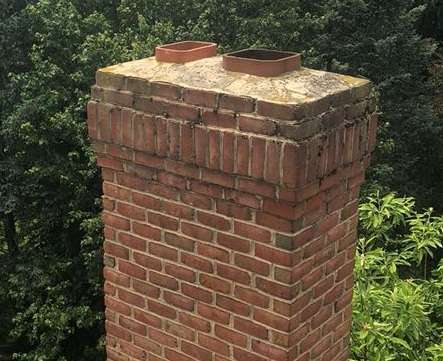
When cracks happen in the chimney, it can allow water to seep in. The water tends to deepen the existing cracks, making the amount of water leaking in continue to increase. Repairing a chimney crown crack is typically an easy fix. It’s often remedied by patching new mortar and cement in the cracked areas. However, if the crack is large, it may be a matter of removing all of the bricks and replacing the chimney.
Improper Flashing
Roof flashing is designed to provide extra protection where roof surfaces join together. For example, it is commonly used along roof joints and the tops of dormers. Flashing is also used to help waterproof areas where the roof opens to allow for other structures like skylights, elevated vents, or chimneys. It is usually made of strips of galvanized steel or aluminum, and it matters in safeguarding the edges where leaks often cause significant damage to the roof and the home.

When a roof and chimney are built, there is naturally a small gap left between the two. Flashing eliminates the gap, protecting both structures. Proper flashing has two levels:
Step flashing – This is a piece of L-shaped metal that is interwoven with the shingles adjacent to the chimney. It is also melded to the chimney, creating a solid seal against the elements.
Counter Flashing – This is an additional layer of protections placed within the joints of the chimney. It is also placed on top of the step flashing, for extra protection.
If either part of the flashing around the chimney becomes loose or damaged, water is able to seep under it and into the home, chimney, or even the homes foundation. One solution to these chimney leaks is by patching the improper flashing. The process involves resealing the problem areas using caulk or other appropriate sealants.
No Chimney Lining
Some older chimneys may not be equipped with the right sized lining, which can also lead to chimney leaks. The linings job is to prevent dirt and debris from building up on the sides of the chimney. The chimney lining is especially important for fireplaces that use gas. When fireplaces use gas, the fumes can carry a lot of moisture, which can cling to the chimney, keeping the bricks and masonry damp. Wet bricks can affect a multitude of things, including your paint, wallpaper, and even the foundation of your home.
The solution is to waterproof your bricks. Waterproofing bricks is a complicated process because it involves applying a liquid seal to the bricks, while also allowing them room to breathe as needed. Finding the right balance isn’t easy to achieve and may require that you have it done by a professional.
Uncovered Chimney
When it rains, it can fall into your uncovered chimney. When it’s raining excessively, water can weaken the internal structure of your chimney, resulting in small cracks that worsen over time.
To fix this problem, you can obtain a metal rain cap to keep water from getting into the chimney during the rainy season. The cap is placed over the chimney opening and is raised by a metal grating that allows fireplace smoke to escape while still protecting the structure of your chimney.
Problems with the Homes Foundation
Periods of drought followed by excessive rain can cause a home’s foundations to shift. When the foundation shifts, a chimney is often an area that becomes damaged.

In the event this happens, it’s important to have a roofing contractor out to see what can be done with your roof. Unfortunately, there may be much larger issues than a leaky chimney.
Local guidance and helpful next steps
For homeowners reading about Chimney Leaks, the right next step depends on the property’s existing roofing system, the extent of the concern, and how the surrounding exterior components work together. Central Pennsylvania weather can expose small weaknesses over time, so a recommendation should be based on the actual condition of the property rather than a one-size-fits-all answer.
Explore Greenawalt’s residential roofing services, see what to expect during a Full Exterior Exam, or request a free estimate. You can also review the company’s Central Pennsylvania service areas.
